Vinyl or Linoleum Floor Installation for Kitchens, Bathrooms, and Basements
People searching for vinyl or linoleum floor installation for kitchens, bathrooms, and basements are usually looking to have durable, professional flooring installed, and local contractors can expertly handle the job to ensure a smooth, lasting finish.
If you’re exploring options for vinyl or linoleum floor installation for kitchens, bathrooms, and basements, you’ve come to the right place. Property owners in the area often consider this type of flooring because it offers durability, water resistance, and a variety of design choices that can enhance the look and functionality of these high-traffic, moisture-prone spaces. Whether renovating a kitchen, updating a bathroom, or finishing a basement, understanding the benefits and installation options can help make informed decisions that align with practical needs and aesthetic preferences.
Connecting with experienced local contractors who specialize in vinyl and linoleum flooring can provide valuable insights and quality craftsmanship tailored to your project. These service providers can help evaluate your space, recommend suitable materials, and ensure a smooth installation process. Keep reading to discover more about the different styles, advantages, and considerations involved in vinyl or linoleum floor installation for your home’s key areas.
- Kitchens - homeowners planning vinyl or linoleum floor installation for kitchens often seek local contractors to ensure a durable, water-resistant surface that withstands daily use.
- Bathrooms - those needing vinyl or linoleum floor installation for bathrooms look for service providers experienced in moisture-resistant flooring suitable for high-humidity environments.
- Basements - individuals wanting vinyl or linoleum floor installation for basements contact local pros to create a water-resistant, easy-to-maintain flooring solution.
- Renovations - during kitchen, bathroom, or basement remodels, clients often engage local contractors to install vinyl or linoleum flooring that complements their design goals.
- Damage repair - property owners requiring vinyl or linoleum floor installation may turn to local service providers to replace or upgrade existing flooring damaged by moisture or wear.

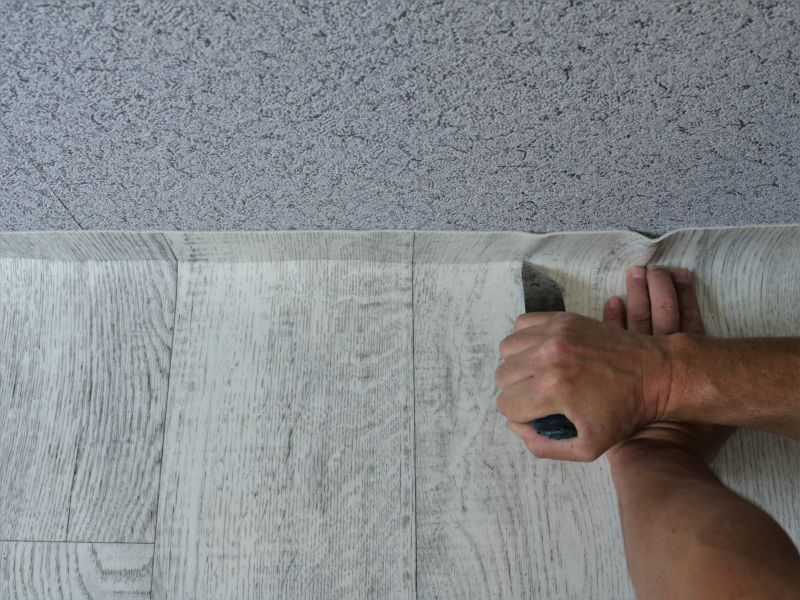
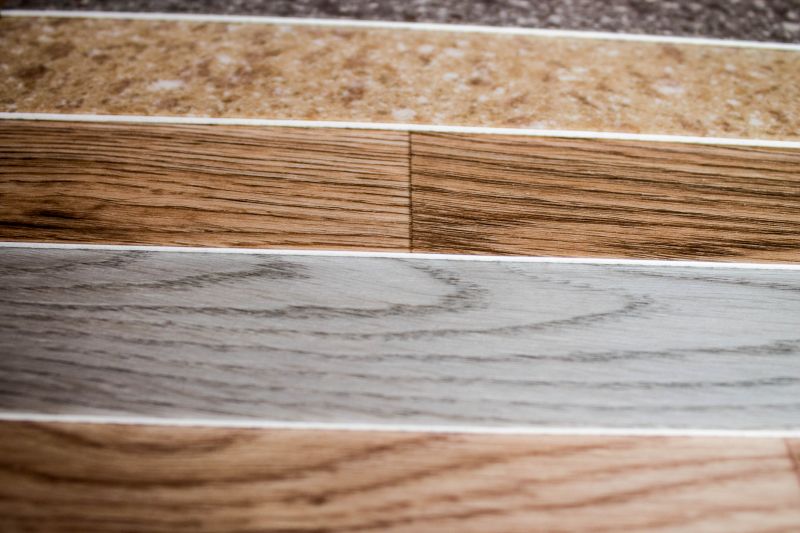
Vinyl or linoleum floor installation for kitchens, bathrooms, and basements is a common topic among homeowners planning updates or renovations for these high-traffic, moisture-prone areas. When people search for this service, they often want to understand the differences between vinyl and linoleum, their durability, and how they can enhance the look and functionality of their spaces. Many are exploring options that provide a balance of affordability, ease of maintenance, and aesthetic appeal. The focus is usually on finding reliable local contractors who can handle the installation efficiently, ensuring the new flooring withstands daily wear and tear while complementing the overall design of the home.
This type of flooring project is often connected to larger plans such as remodeling a kitchen to improve its functionality, updating a bathroom for better moisture resistance, or finishing a basement to create a more comfortable living area. Problems that prompt these searches include existing flooring that is worn out, damaged, or outdated, as well as concerns about water resistance in moisture-prone rooms. Homeowners may also be considering new layouts or features that require a flooring solution capable of accommodating changes in space use. Local service providers specializing in vinyl or linoleum installation can help address these issues by offering professional advice and quality work to ensure the new floors meet both aesthetic and practical needs.
Properties that typically come up in these searches include a variety of residential homes-such as single-family houses, townhomes, and condos-where durability and ease of cleaning are priorities. Many of these properties have kitchens, bathrooms, or basements that require flooring options capable of handling moisture, spills, and heavy foot traffic. These projects are especially common in homes where families or individuals want a low-maintenance solution that can withstand daily use without frequent repairs. Local contractors experienced in vinyl or linoleum installation understand the specific demands of these spaces and can help homeowners select the right products and installation methods to achieve long-lasting results.
By exploring vinyl or linoleum floor installation for kitchens, bathrooms, and basements, homeowners can better understand how this flooring choice fits into their renovation plans. Local service providers are equipped to handle the installation process, ensuring that the flooring is properly laid out, sealed, and finished to meet the unique conditions of each space. Whether upgrading an existing floor or installing new, these professionals can help bring a project to completion that enhances the home's appearance and functionality. Connecting with local pros provides homeowners with the expertise needed to navigate material options, installation techniques, and project requirements specific to their property type and intended use.
Subfloor Preparation - Proper subfloor prep is essential for vinyl or linoleum floor installation in kitchens, bathrooms, and basements, and local contractors can handle these preparatory steps efficiently.
Waterproofing Projects - Waterproofing bathroom or basement floors requires similar skills to vinyl or linoleum installation, ensuring moisture resistance and durability with help from experienced service providers.
Floor Repair and Leveling - Repairing uneven or damaged subfloors is often necessary before vinyl or linoleum installation, and local pros can assess and perform these tasks to ensure a smooth surface.
Tile and Sheet Flooring Installation - Installing tile or other sheet flooring types shares techniques with vinyl or linoleum, making local contractors skilled in a variety of floor covering methods.
Trim and Transition Strip Installation - Properly installing trim or transition strips complements vinyl or linoleum floors and is a service offered by local flooring specialists.
Moisture Barrier Installation - Applying moisture barriers in basements or bathrooms is a key step that local service providers can incorporate into vinyl or linoleum floor projects for added protection.
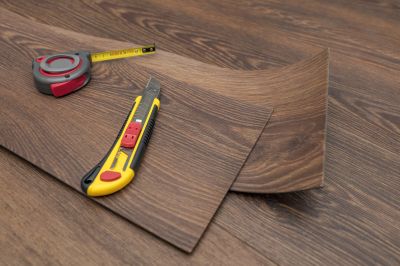
When evaluating service providers for vinyl or linoleum floor installation in kitchens, bathrooms, and basements, it is important to consider their experience with similar projects. Homeowners should inquire about the types of spaces they have worked on and the specific flooring materials they are familiar with installing. A contractor with a history of handling projects in areas with moisture or high traffic can offer insights into the quality and durability of their work, ensuring the installation will meet the demands of the space.
Clear, written expectations are essential to ensure both parties have a shared understanding of the scope of work. Homeowners should seek detailed proposals that outline the materials to be used, preparation steps, and the installation process. This documentation helps prevent misunderstandings and provides a benchmark for evaluating the quality of work. Service providers who can clearly communicate their approach and answer questions in writing demonstrate professionalism and transparency, which are valuable traits when choosing a contractor for flooring projects.
Reputable references and effective communication are key indicators of a dependable service provider. Homeowners are encouraged to ask for references from past clients who had similar vinyl or linoleum floor installations in kitchens, bathrooms, or basements. Speaking with previous customers can reveal insights into the contractor’s reliability, craftsmanship, and responsiveness. Additionally, service providers who maintain open lines of communication and are responsive to inquiries tend to be easier to work with, helping to ensure a smooth installation process from start to finish.
Property owners often search for vinyl or linoleum floor installation for kitchens, bathrooms, and basements when they are planning practical projects around their homes and businesses. Local pros provide Vinyl or Linoleum Floor Installation services for everyday jobs and straightforward project options.
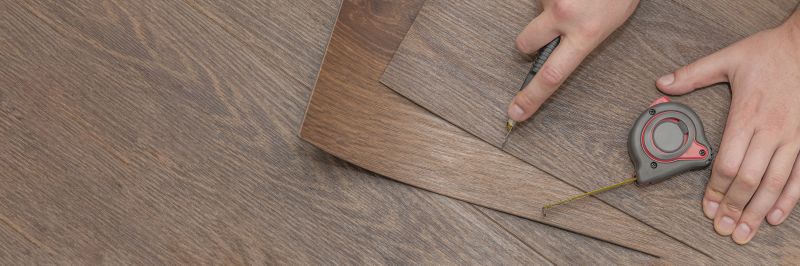
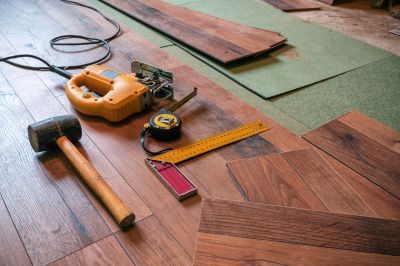
Many property owners in the area consider vinyl or linoleum floor installation for kitchens, bathrooms, and basements when updating or renovating these frequently used spaces. These installations are often chosen for their durability, affordability, and ease of maintenance, making them a practical choice for high-traffic areas prone to spills and moisture. Homeowners might search for local service providers to help with replacing worn-out flooring, installing new surfaces, or achieving a fresh look that enhances the functionality and appearance of their homes.
Local contractors who specialize in vinyl or linoleum floor installation can handle a variety of project situations, from small upgrades to complete overhauls. Whether installing new flooring in a basement to improve comfort and style or replacing outdated surfaces in a bathroom, these professionals offer the expertise needed to ensure proper installation and long-lasting results. Property owners seeking reliable, professional assistance often look for local service providers who can help them achieve a durable and attractive finish tailored to their specific needs.
What are the differences between vinyl and linoleum flooring for kitchens, bathrooms, and basements? Vinyl flooring is typically made from synthetic materials and offers durability and water resistance, making it suitable for moisture-prone areas. Linoleum is a natural product made from linseed oil, cork dust, and other eco-friendly materials, providing a resilient surface with a classic look. Both options are popular for their ease of installation and maintenance, but local contractors can help determine which is best for specific needs.
Can vinyl or linoleum flooring be installed over existing floors in kitchens, bathrooms, and basements? Yes, in many cases, vinyl or linoleum flooring can be installed over existing surfaces such as concrete or old flooring, provided the surface is clean, flat, and in good condition. Local service providers can assess the current floor and prepare it appropriately for a proper installation.
Are there specific considerations for installing vinyl or linoleum flooring in basements? Installing vinyl or linoleum in basements requires attention to moisture levels and proper subfloor preparation to prevent issues like mold or warping. Local pros can evaluate basement conditions and recommend suitable installation methods to ensure long-lasting results.
What types of patterns and styles are available for vinyl or linoleum flooring in kitchens and bathrooms? Vinyl and linoleum flooring come in a wide range of patterns, colors, and styles, including realistic wood, stone, or tile looks. Local contractors can help select designs that complement the space and ensure proper installation for the desired aesthetic.
How do local service providers ensure a smooth installation of vinyl or linoleum floors in kitchens, bathrooms, and basements? Experienced local contractors prepare the subfloor, measure accurately, and use proper installation techniques to ensure a seamless and durable finish. They also handle any necessary surface repairs or adjustments to achieve optimal results.
Choosing durable materials - property owners can select vinyl or linoleum options that withstand high traffic areas like kitchens and basements, ensuring long-lasting performance.
Planning layout and pattern - considering the best layout and pattern for small or irregularly shaped spaces can help achieve a visually appealing result with vinyl or linoleum flooring.
Preparing subfloor surfaces - ensuring the subfloor is clean, level, and properly prepared allows local contractors to install vinyl or linoleum floors smoothly and securely.
Considering moisture resistance - property owners can opt for moisture-resistant vinyl or linoleum to protect bathrooms and basements from water damage during installation.
If you are thinking about vinyl or linoleum floor installation for kitchens, bathrooms, and basements for a property, this guide is meant to help you understand this topic, the typical project types, and how different options might fit your plans.
When you are ready, you can use the quote form on this page to share a few details about your project. From there, local pros can review the basics and follow up with options that match what you have in mind.